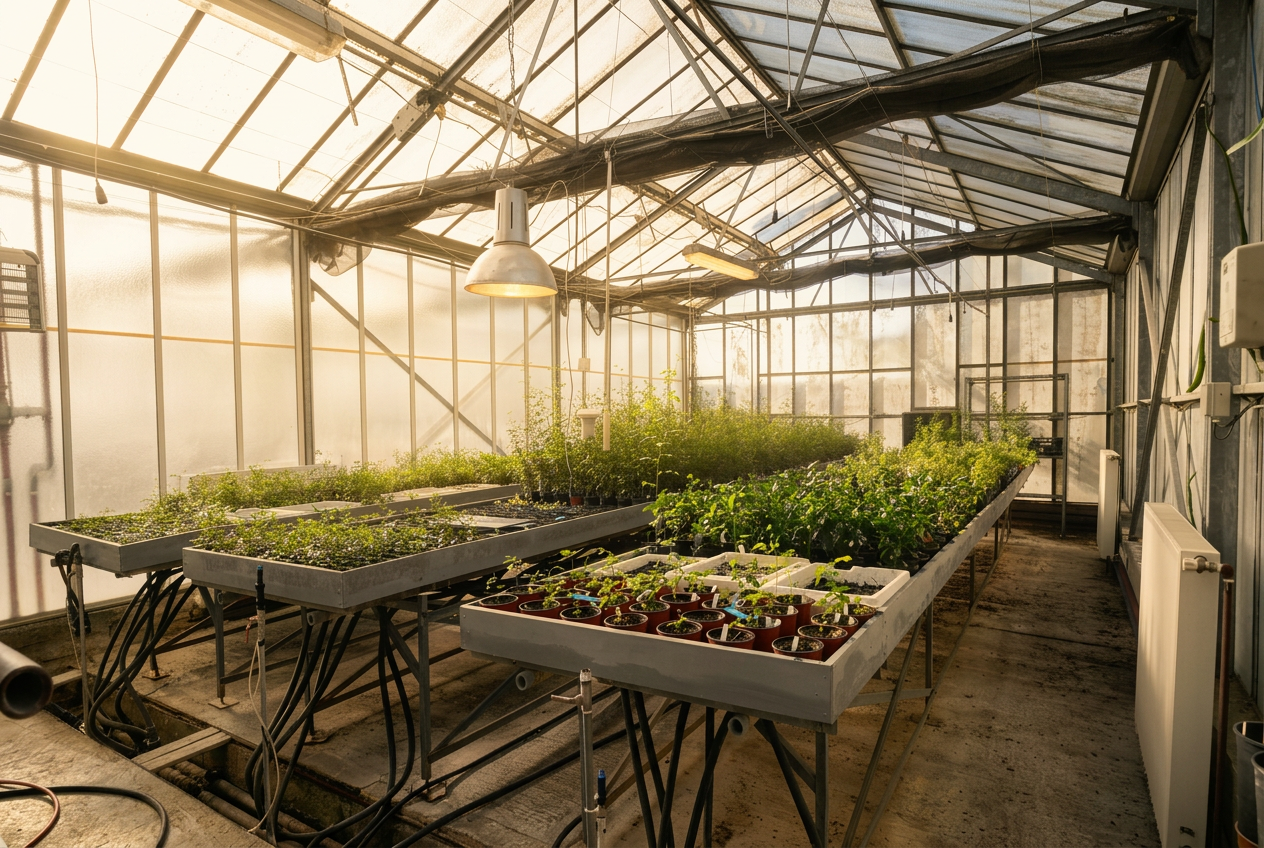

Programme document atmosphere
Home / Program

Five years. 300 ECTS. Two Schools. One integrated science.

Explore the academic architecture of the Integrated Master in Sustainable Agriculture & Food Science — where modern farming, food innovation, applied science and industry readiness are taught as one coherent education.

— The programme
Integrated Master
Single degree title
EQF Level
7
Master's-equivalent qualification
Duration
5yrs
10 semesters of study
Credits
300ECTS
European Credit Transfer System
Courses
55
36 with applied training
Lab hours
Up to 89
per semester · practical work
— Practicalities
English
Language of instruction
Cohort
15–40
Students per intake
Tuition
€7,000
Per academic year · all students
Schools
Agriculture
+ Chemistry
Joint programme · two AUTh schools
Mode
Full-time
On campus · in Thessaloniki
Next intake
Sept 2027
Inaugural cohort
— The academic architecture of the next five years

From scientific fundamentals to an original master's thesis.

— Year 01
Foundations
Core sciences across both Schools — calculus, chemistry, biology, the social context of food systems.
— Year 02
Disciplinary depth
Plant and animal production, food chemistry, soil science, microbiology. Lab rotations begin.
— Year 03
Integration
Where Agriculture meets Chemistry — digital systems, food biotechnology, water and irrigation, controlled environments.
— Year 04
Specialisation & research
Applied specialism — oenology, vegetable production, geoinformatics, organic agriculture. Active research lab integration.
— Year 05
Master's thesis
A substantial original research project — supervised within the programme research network and culminating in oral defence.
— Curriculum architecture

Six substantive areas — taught as one integrated science of the agri-food system.

— Pillar 01

Plant & animal production

Climate-resilient crops, precision agriculture, livestock and aquaculture systems, viticulture and arboriculture. Built on the working agricultural environment of the AUTh farm.

— Representative courses
  • Sustainable Field Crop Production
  • Viticulture
  • Sustainable Aquaculture & Fisheries
— Pillar 02

Food science & technology

Processing engineering, microbiology, food chemistry and biochemistry, oenology, dairy technology, biotechnology. Drawing on three Chemistry School research laboratories.

— Representative courses
  • Food Chemistry
  • Food Biotechnology
  • Food Engineering
— Pillar 03

Agricultural economics & governance

Markets, cooperatives, rural development, agricultural policy, EU regulatory frameworks, entrepreneurship and social innovation in the agri-food sector.

— Representative courses
  • Agricultural Economics
  • Agricultural Governance & Cooperative Models
  • Farm Management
— Pillar 04

Natural resources

Soil science, water resources, irrigation engineering, environmental chemistry. The foundations of sustainable land use across Mediterranean and continental contexts.

— Representative courses
  • Soil Science
  • Water Resources & Irrigation Engineering
  • Ecology
— Pillar 05

Agricultural engineering

Farm structures, machinery, controlled environment systems, renewable energy in agriculture. The engineered infrastructure underpinning modern agriculture and food production.

— Representative courses
  • Controlled Environment Systems
  • Industrial Agri-Food Process Design & Economics
  • Renewable Energy Resources in Agriculture
— Pillar 06

Digital & geospatial tools

Remote sensing, GIS, computational programming, AI tools in agricultural applications. The digital infrastructure of next-generation precision agriculture and food traceability.

— Representative courses
  • Digital Systems in Agriculture
  • Earth Observation & Geoinformatics
  • Precision Agriculture & Livestock Farming
— Explore in depth

Three doorways into the substance of the programme.

Open course catalogue

Curriculum & Courses

Year-by-year course listings. Every module, with credits, descriptions, and prerequisites. The reference document, with the full catalogue available as a PDF.

View the curriculum →
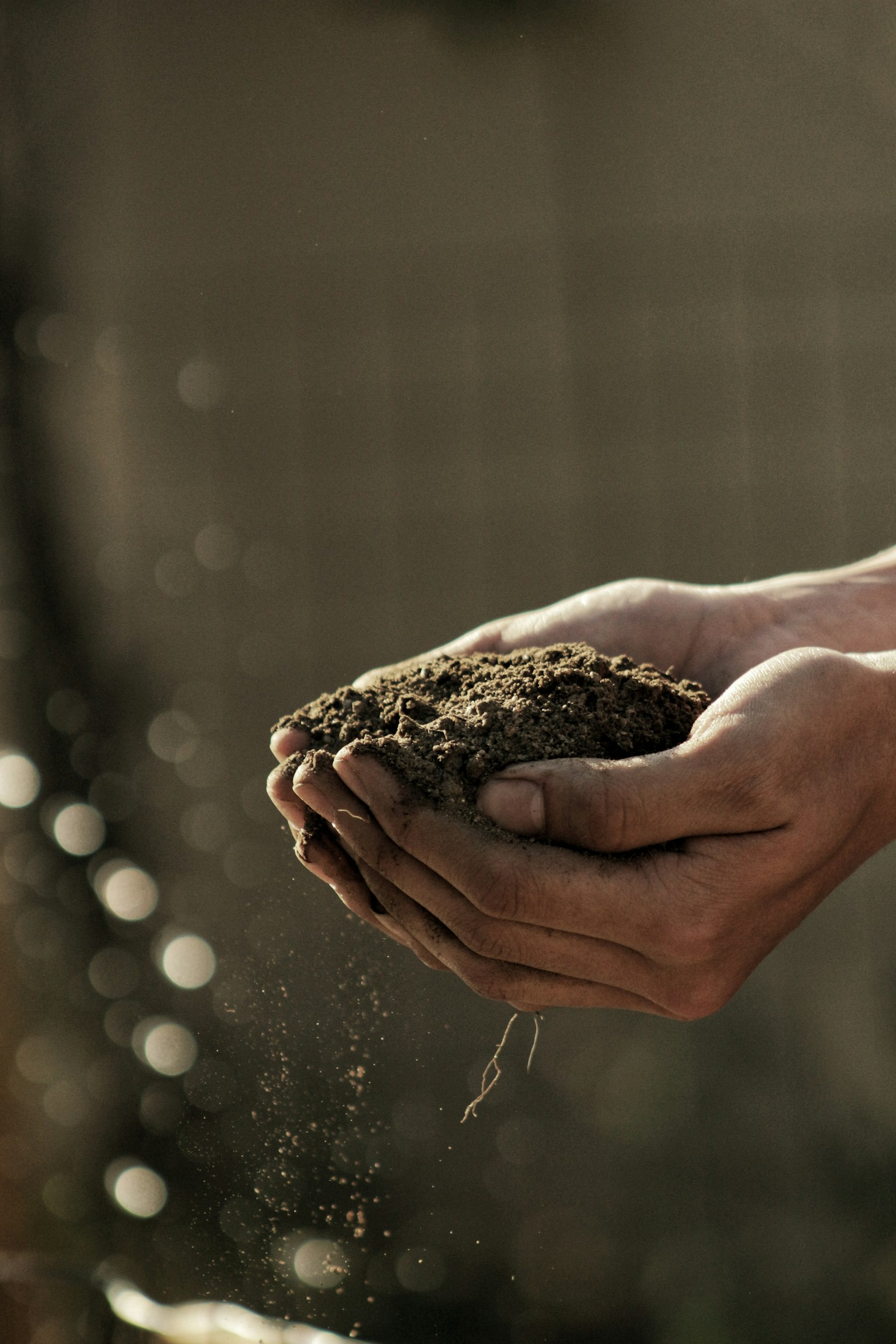
Lab instrument

Labs & Facilities

A photo-essay of the working infrastructure: the 180-hectare AUTh farm, the four agriculture divisions, the three chemistry research laboratories. Visual proof of what the programme is built on.

See the facilities →
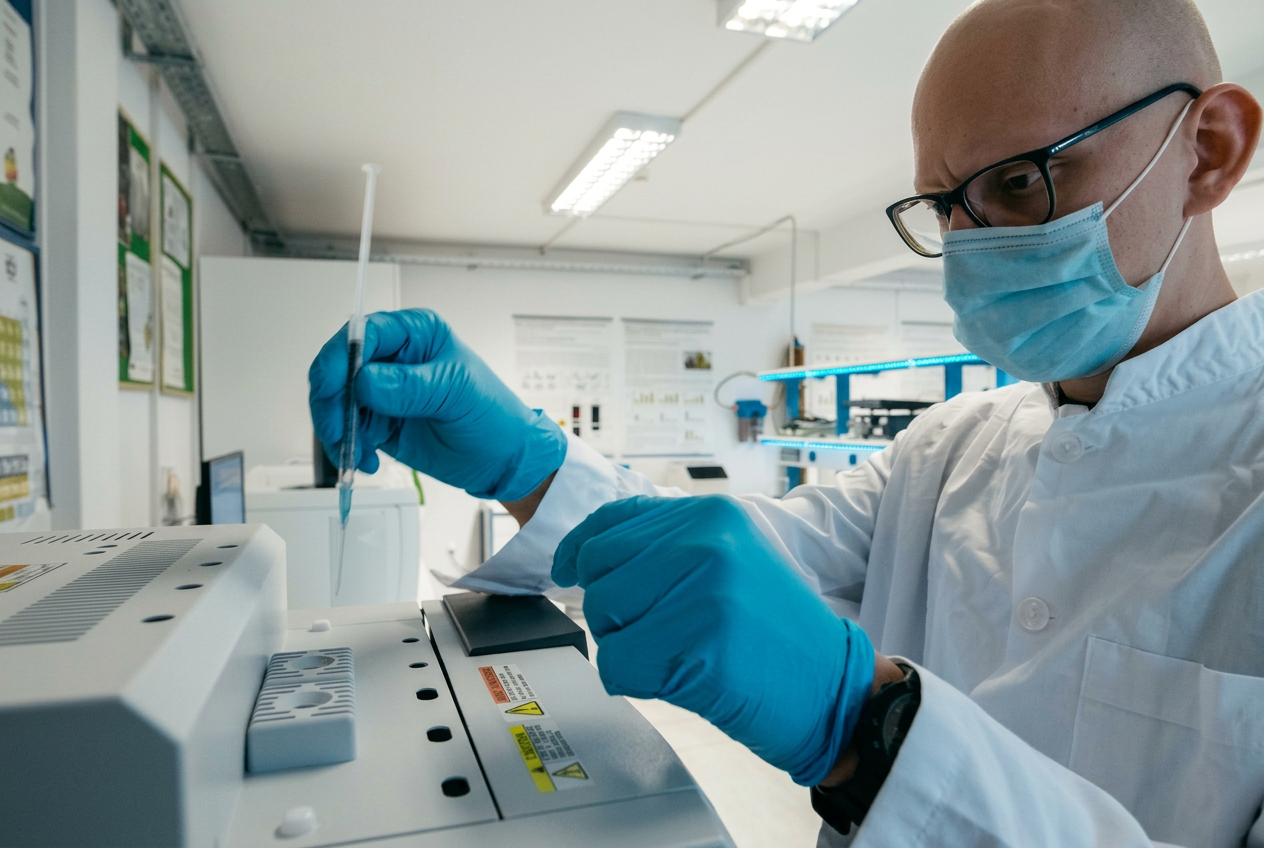
Faculty at work

Faculty

The 39 top-2% researchers and the broader teaching team. Profiles, research areas, and supervision interests — including the people who will mentor your master's thesis.

Meet the faculty →

— Admissions · September 2027 entry

Take the next step.

Shape sustainable systems for a changing planet.

Between 15 and 40 students per year. Applications open ; decisions are issued in .

€7,000

Per academic year

15–40

Cohort size

5 yrs

Integrated Master

Submit your Interest →