
Working scientific infrastructure — at the scale the field requires.
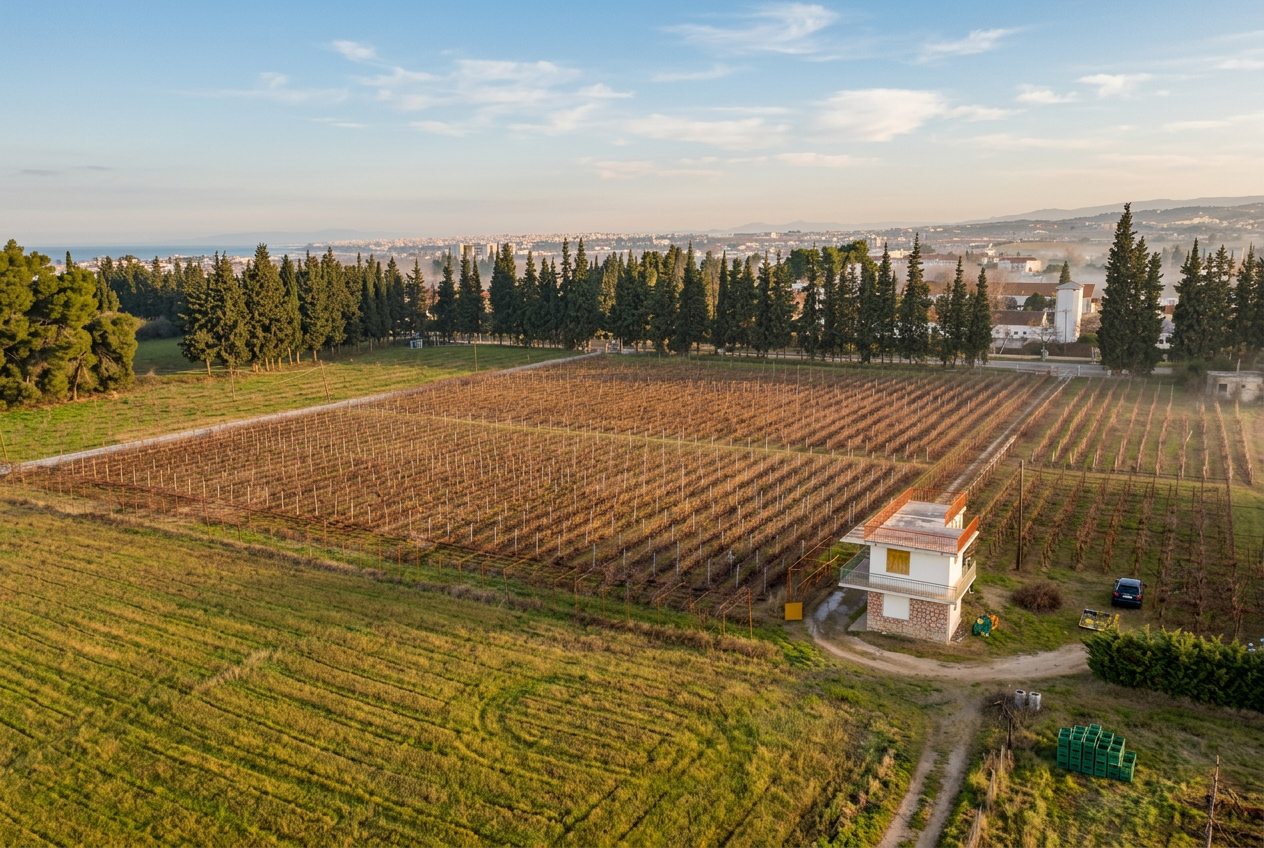
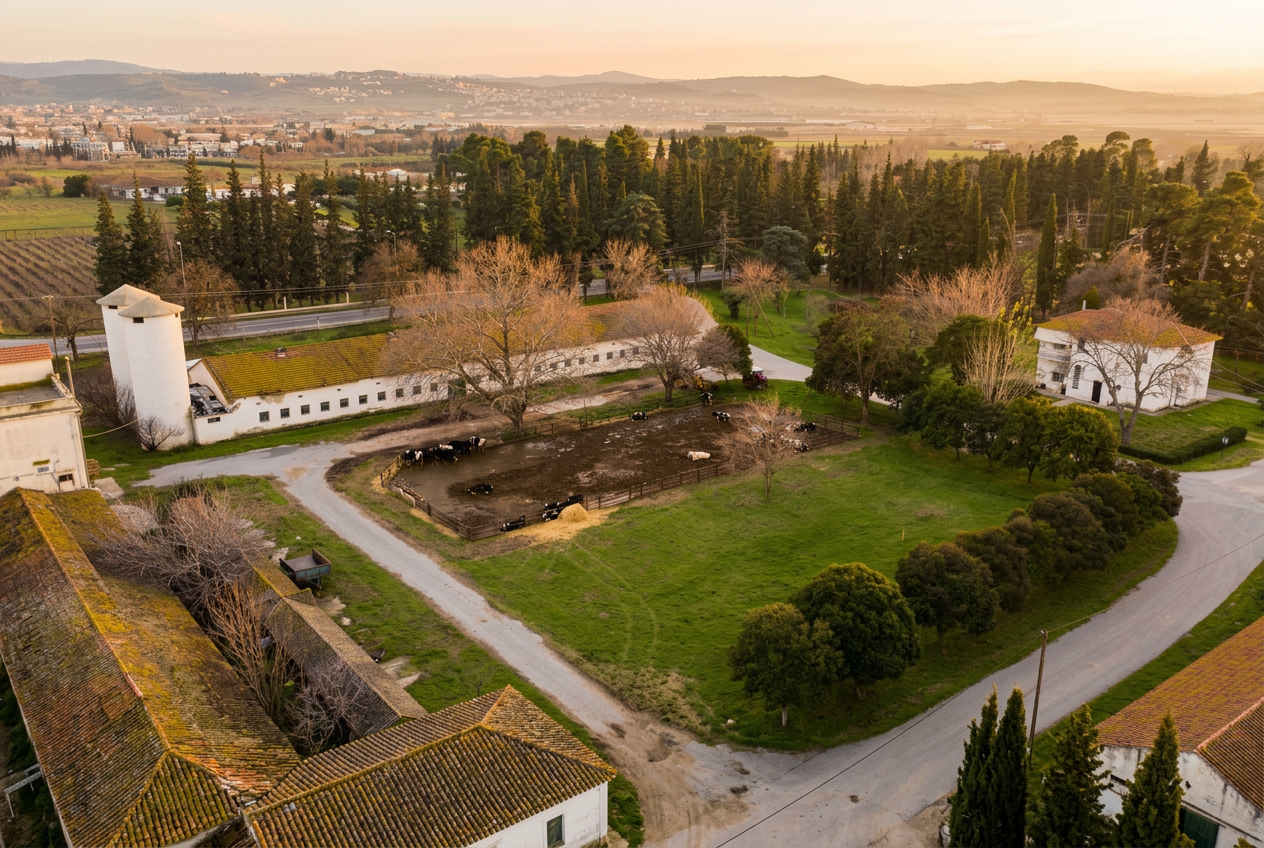
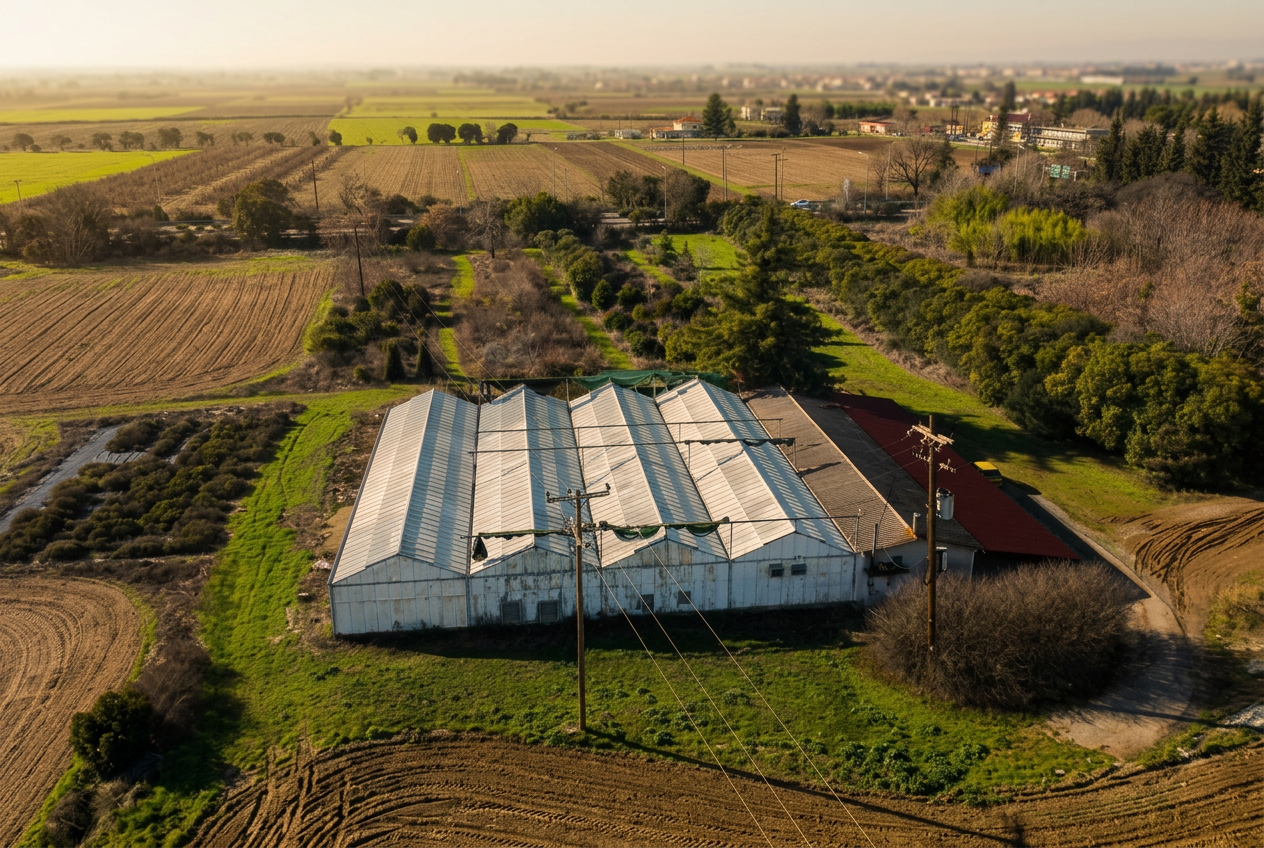
A 180-hectare research farm. Four divisions of the School of Agriculture with seventeen named research laboratories. Three Chemistry School laboratories. Pilot field installations, livestock buildings, and greenhouses. All accessible from semester one.
+ livestock
Thirty-three research laboratories — organised across six divisions.
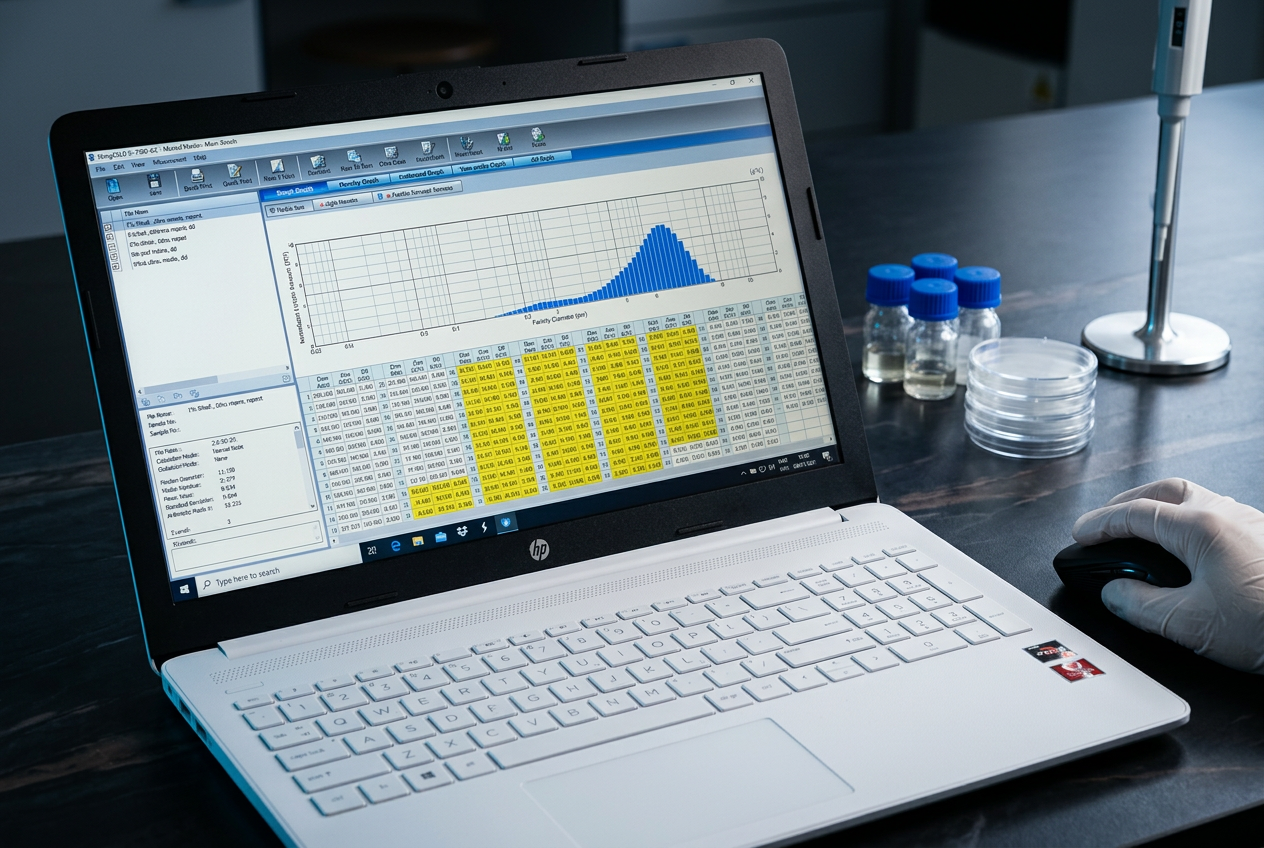
Agricultural Economics.
The institutional and market dimensions of food systems — agricultural economics, applied research, rural sociology, marketing of agricultural products, agricultural cooperatives, farm management, and the legal frameworks that shape agriculture.
- — LabMarketing of Agricultural Products, Agricultural Policy & Cooperatives
- — LabAgricultural Economics Research
- — LabAgricultural Extension & Rural Sociology
- — LabFarm Accounting & Farm Management
- — LabAgricultural Law
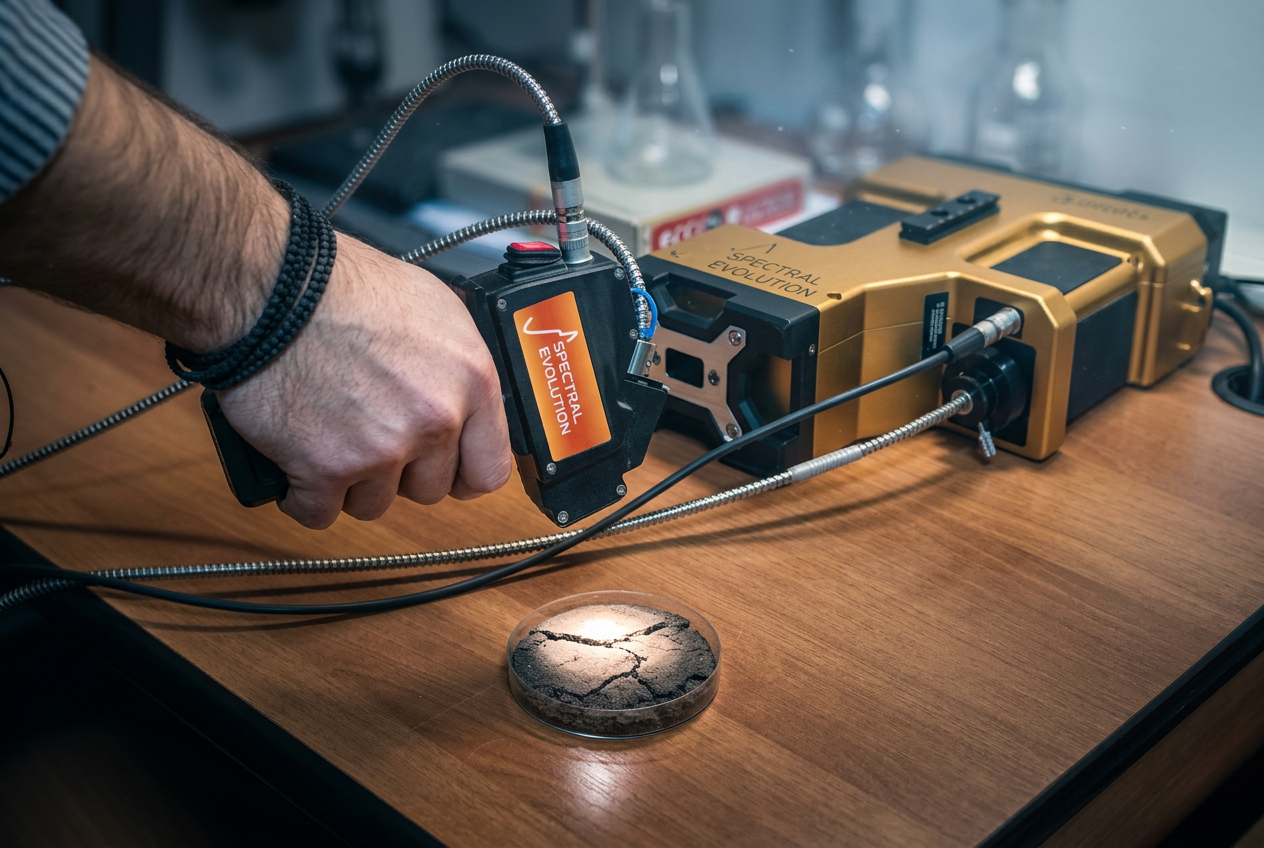
Hydraulics, Soil Science & Agricultural Engineering.
The physical and engineered foundations of agriculture — soil science and applied soil management, hydraulics and irrigation, agricultural machinery and structures, geospatial sensing, and renewable energy systems applied to agricultural production.
- — LabAgricultural Engineering
- — LabGeneral & Agricultural Hydraulics & Land Reclamation
- — LabApplied Soil Science
- — LabRemote Sensing, Spectroscopy & GIS
- — LabAgricultural Structures & Equipment
- — LabRenewable Energy Sources in Agriculture
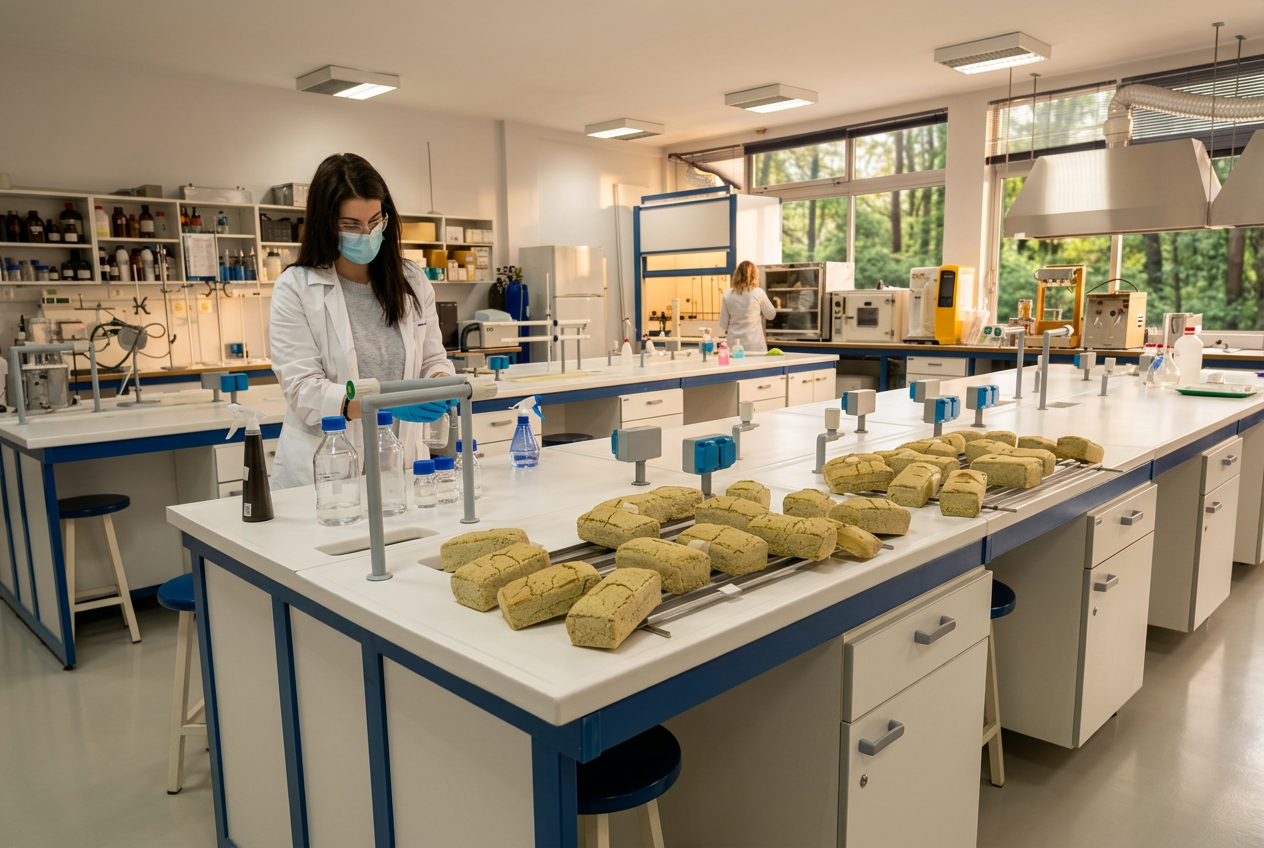
Food Science & Technology.
The transformation of raw agricultural products into food — dairy technology, food processing engineering, food microbiology and hygiene, and the food chemistry and biochemistry that underpins quality, safety, and shelf-life.
- — LabDairy Technology
- — LabFood Processing & Engineering
- — LabFood Microbiology & Hygiene
- — LabFood Chemistry & Biochemistry
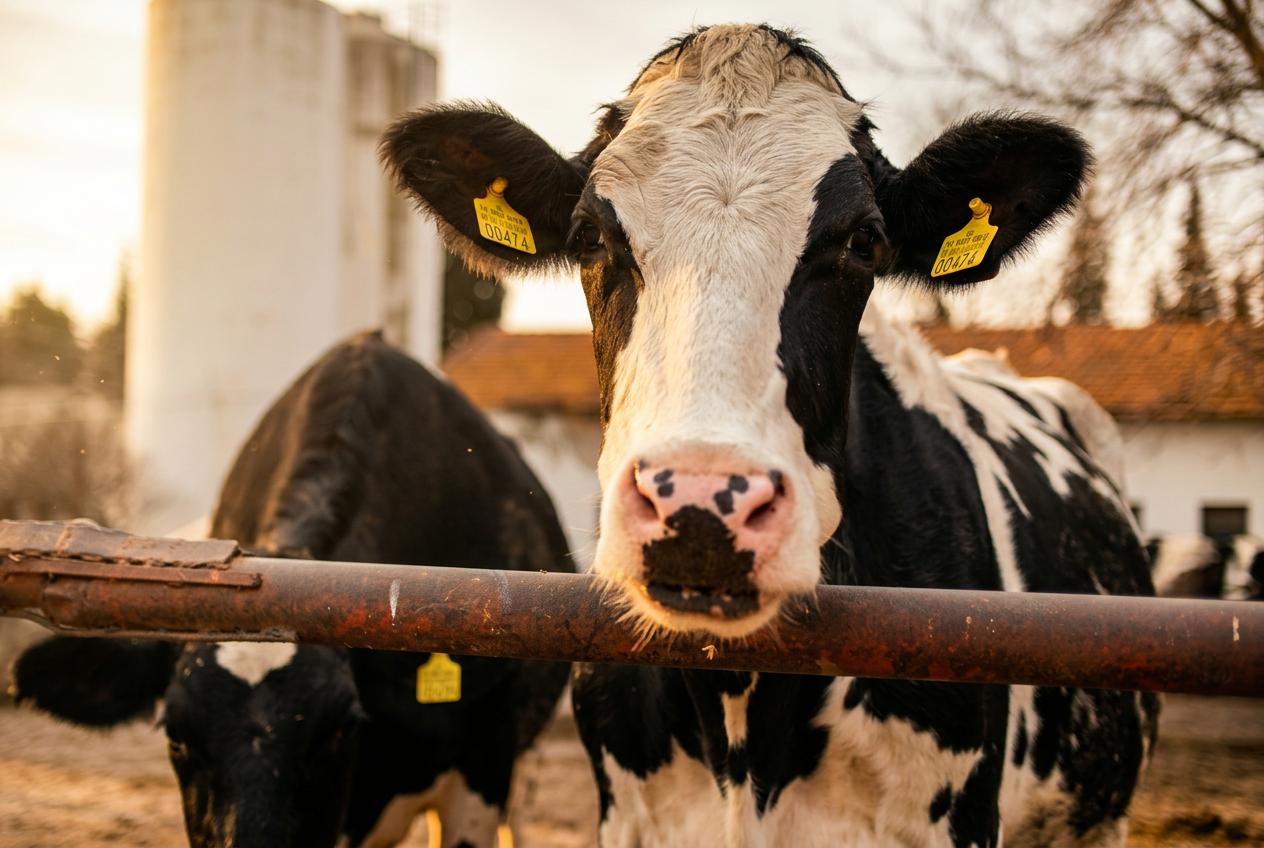
Animal Production.
Livestock science across husbandry, nutrition, reproduction, and aquaculture — covering applied animal husbandry, the science of farm animal nutrition, reproductive physiology, and the management of fisheries and aquatic production systems.
- — LabAnimal Husbandry
- — LabFarm Animal Nutrition
- — LabFarm Animal Physiology of Reproduction
- — LabIchthyology & Fisheries
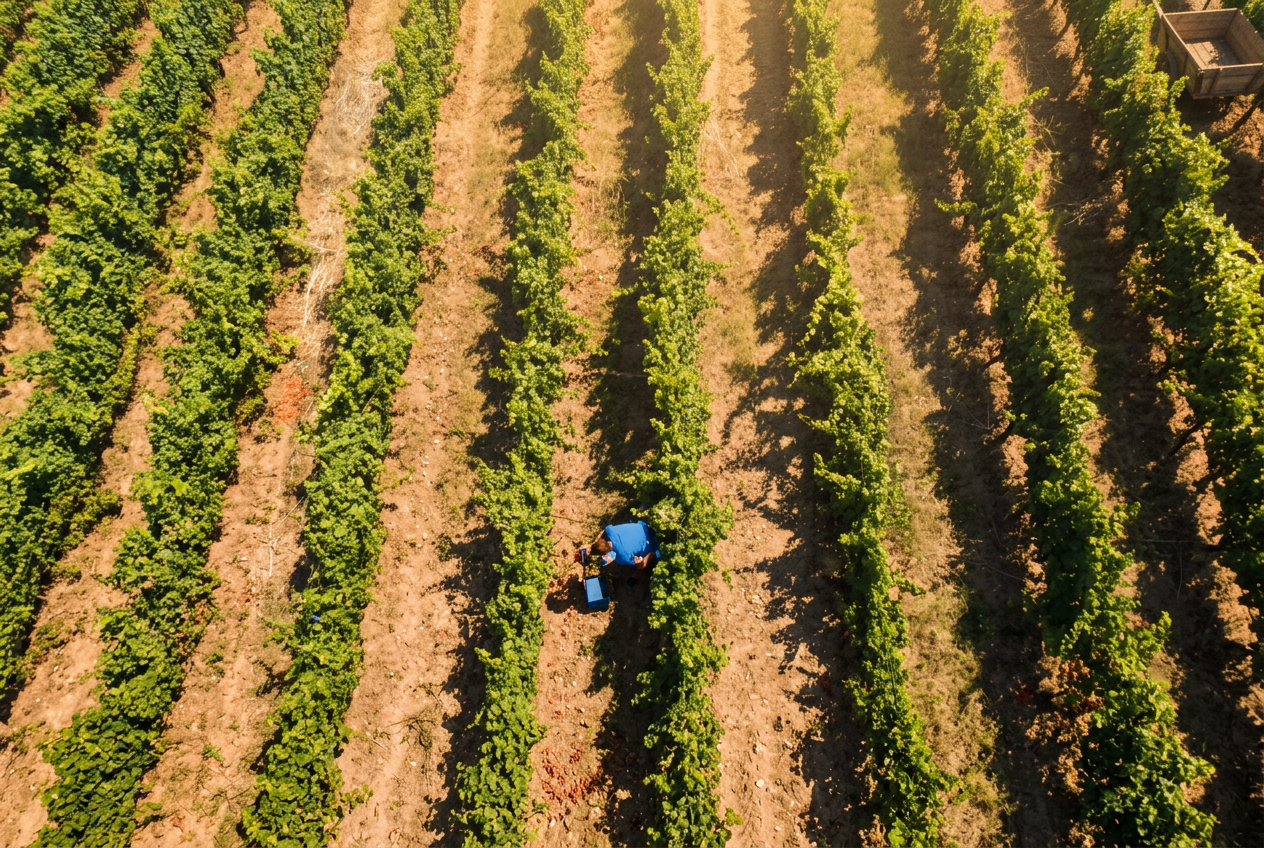
Horticulture & Viticulture.
Mediterranean fruit, vine, vegetable, and ornamental production — covering pomology and the biology of horticultural plants, floriculture and landscape architecture, viticulture, vegetable crop production, and sericulture and beekeeping.
- — LabPomology
- — LabBiology of Horticultural Plants
- — LabFloriculture & Landscape Architecture
- — LabViticulture
- — LabVegetable Crop Production
- — LabSericulture & Bee Culture
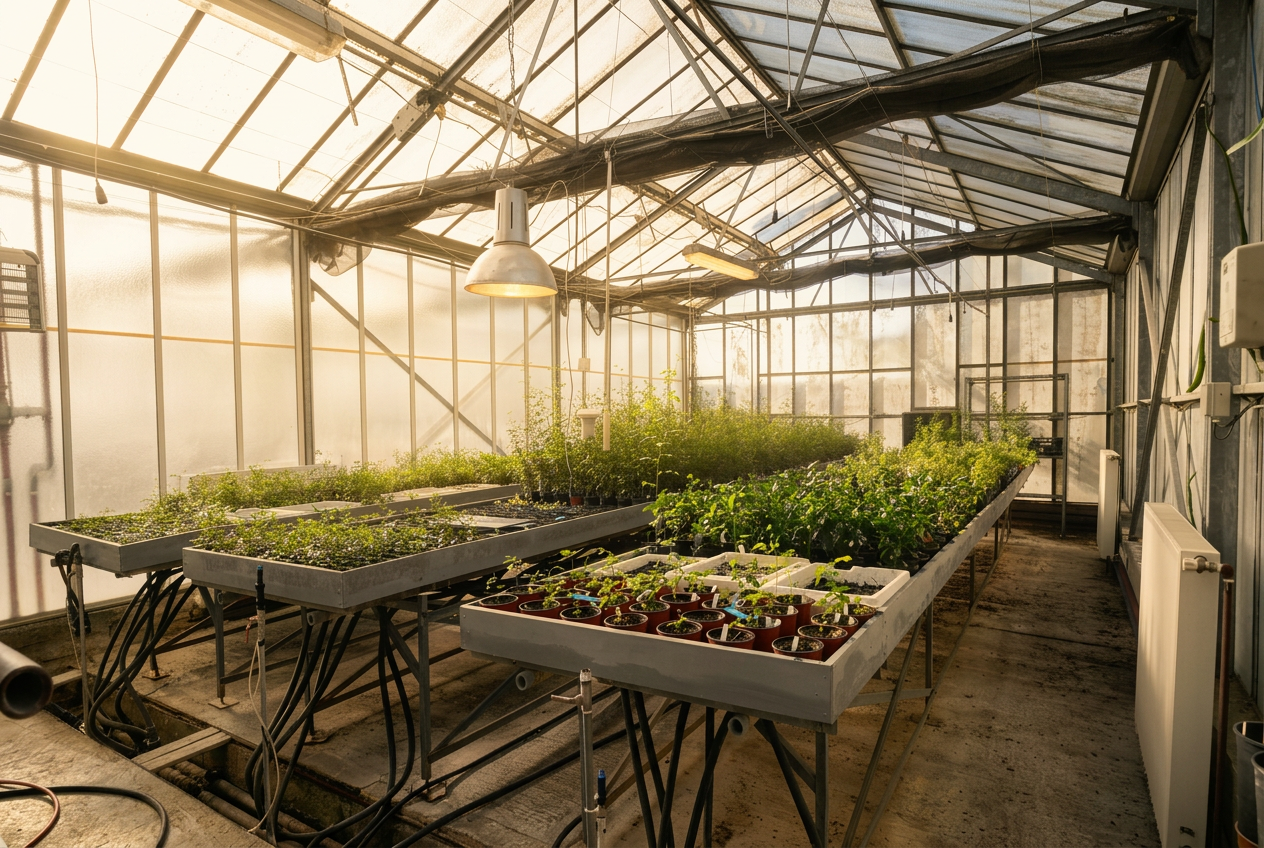
Plant Production.
The integrated science of crop production — from plant pathology, applied zoology, and pesticide chemistry through agricultural chemistry, plant genetics and breeding, agronomy, and ecology — together with digital and informatics tools applied to agriculture.
- — LabPlant Pathology
- — LabApplied Zoology & Parasitology
- — LabPesticide Science
- — LabAgricultural Chemistry
- — LabGenetics & Improvement of Plants
- — LabAgronomy
- — LabEcology & Environmental Protection
- — LabInformatics in Agriculture
Three molecular-spine laboratories contributing to the programme.
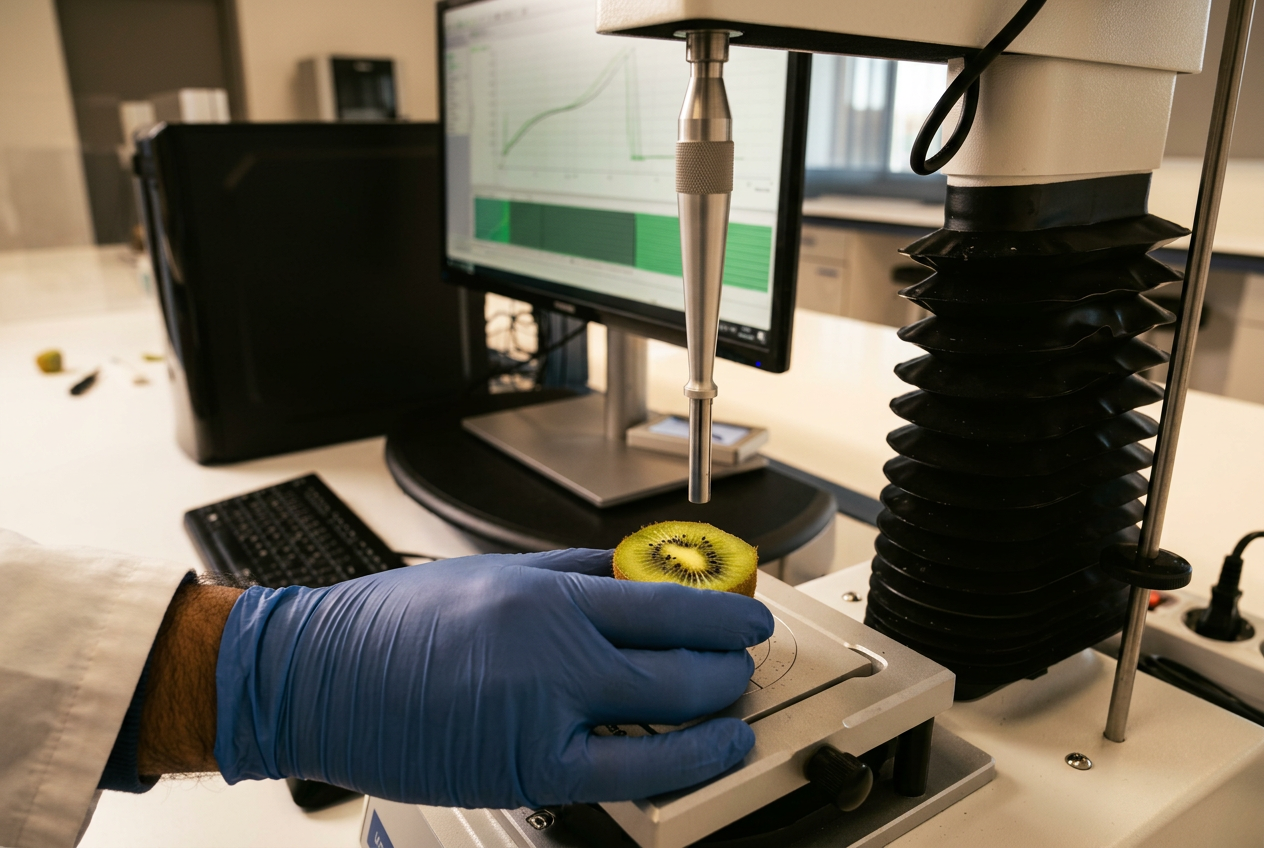
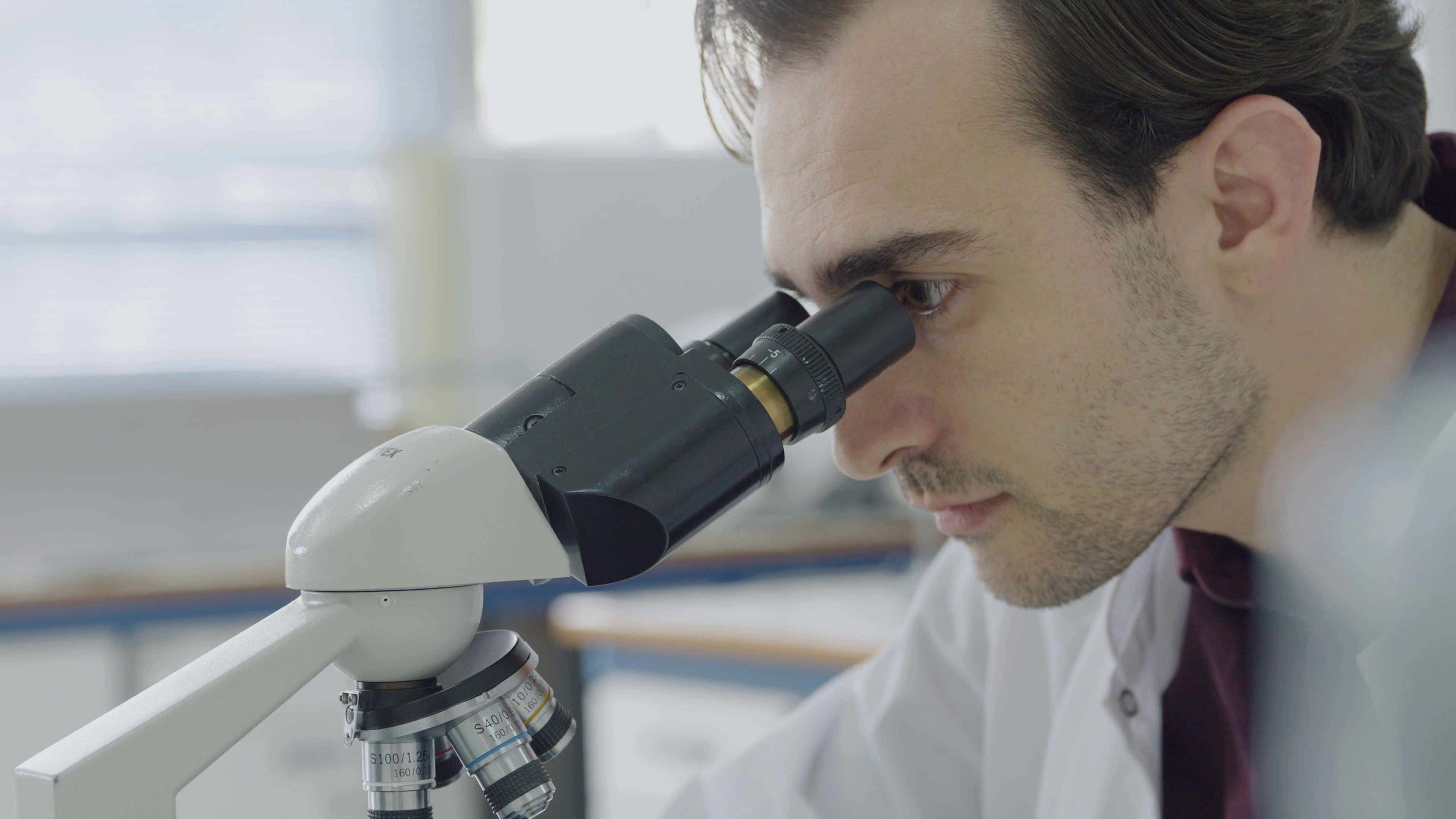
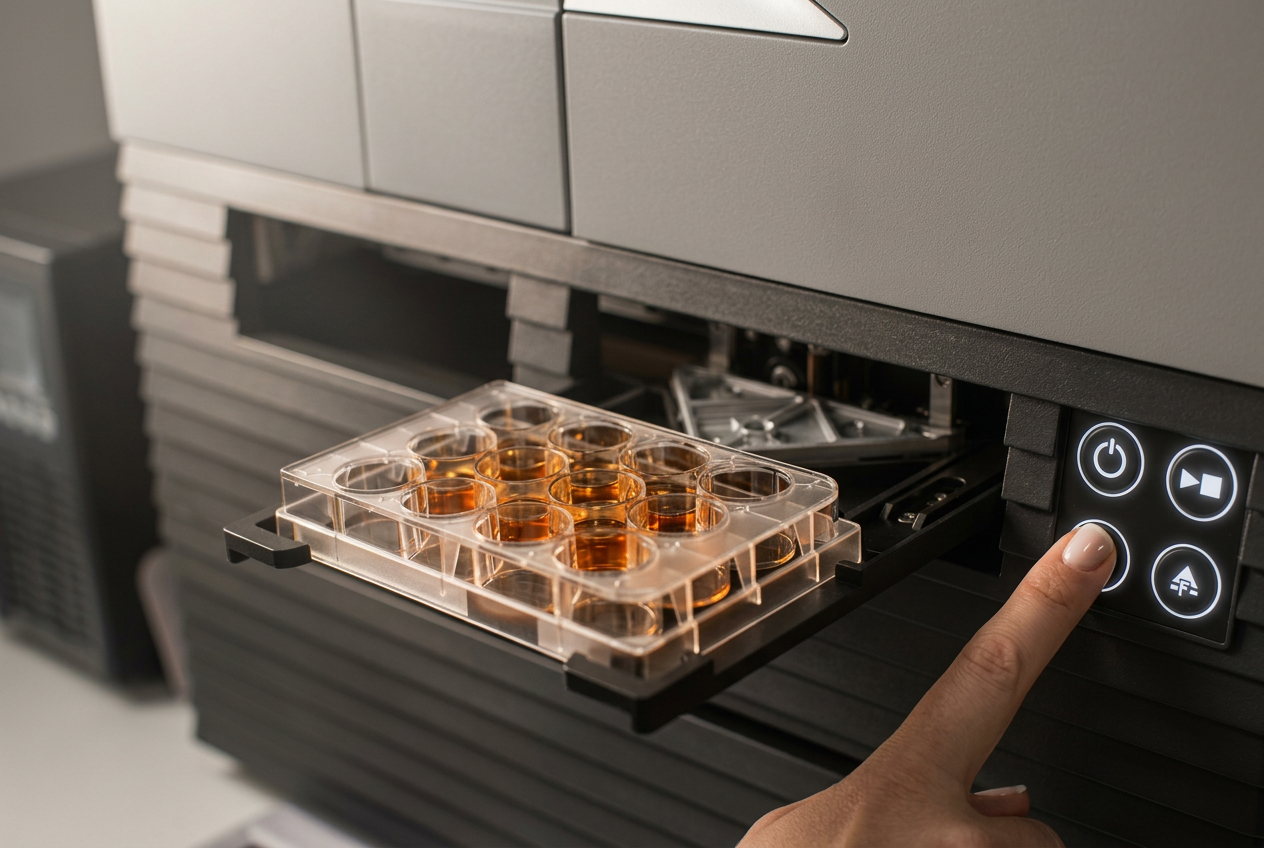
A working agricultural environment — not a laboratory simulation.
Take the next step.
Shape sustainable systems for a changing planet.
Submit your Interest →